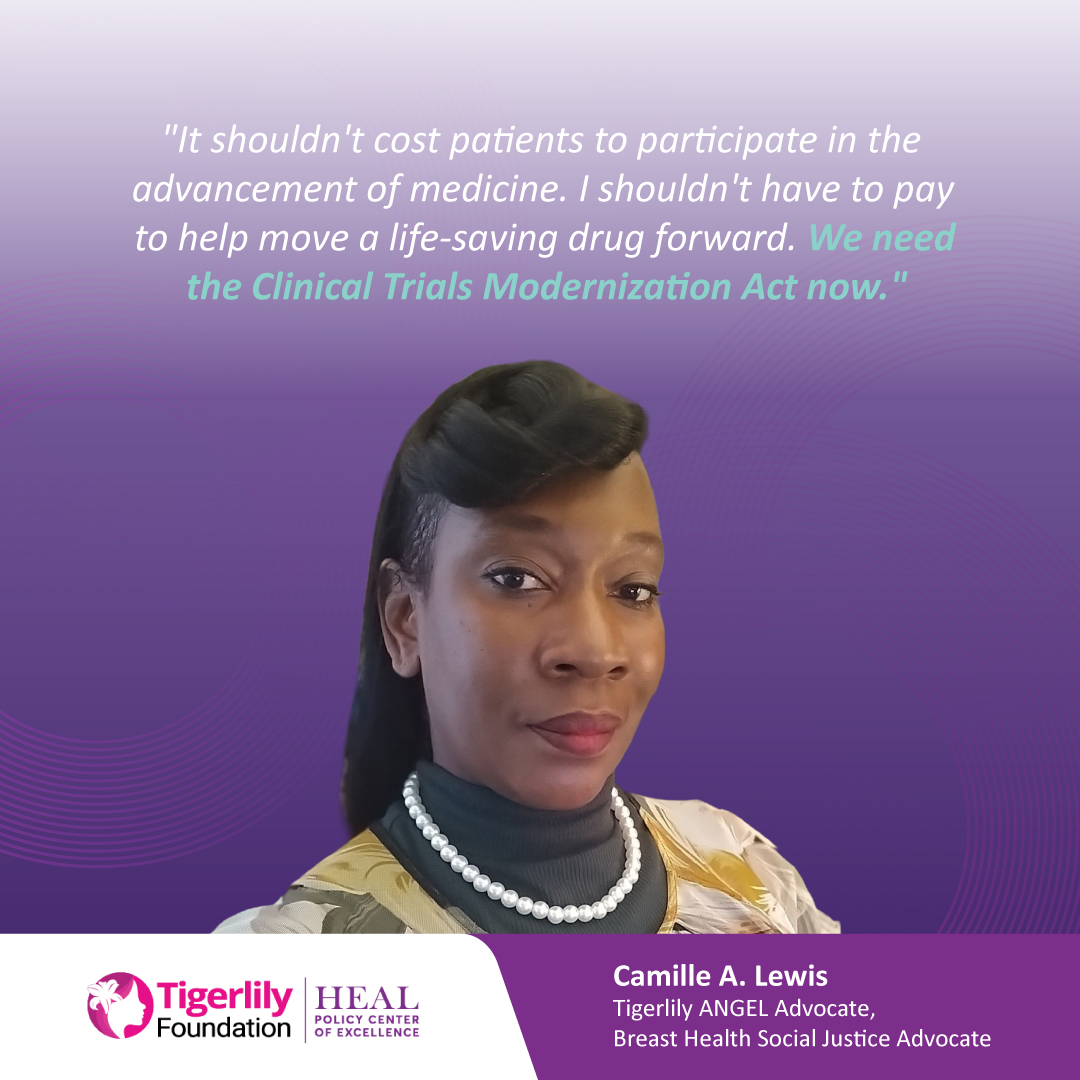
The Clinical Trial Modernization Act
(H.R. 3521/S. 4440)
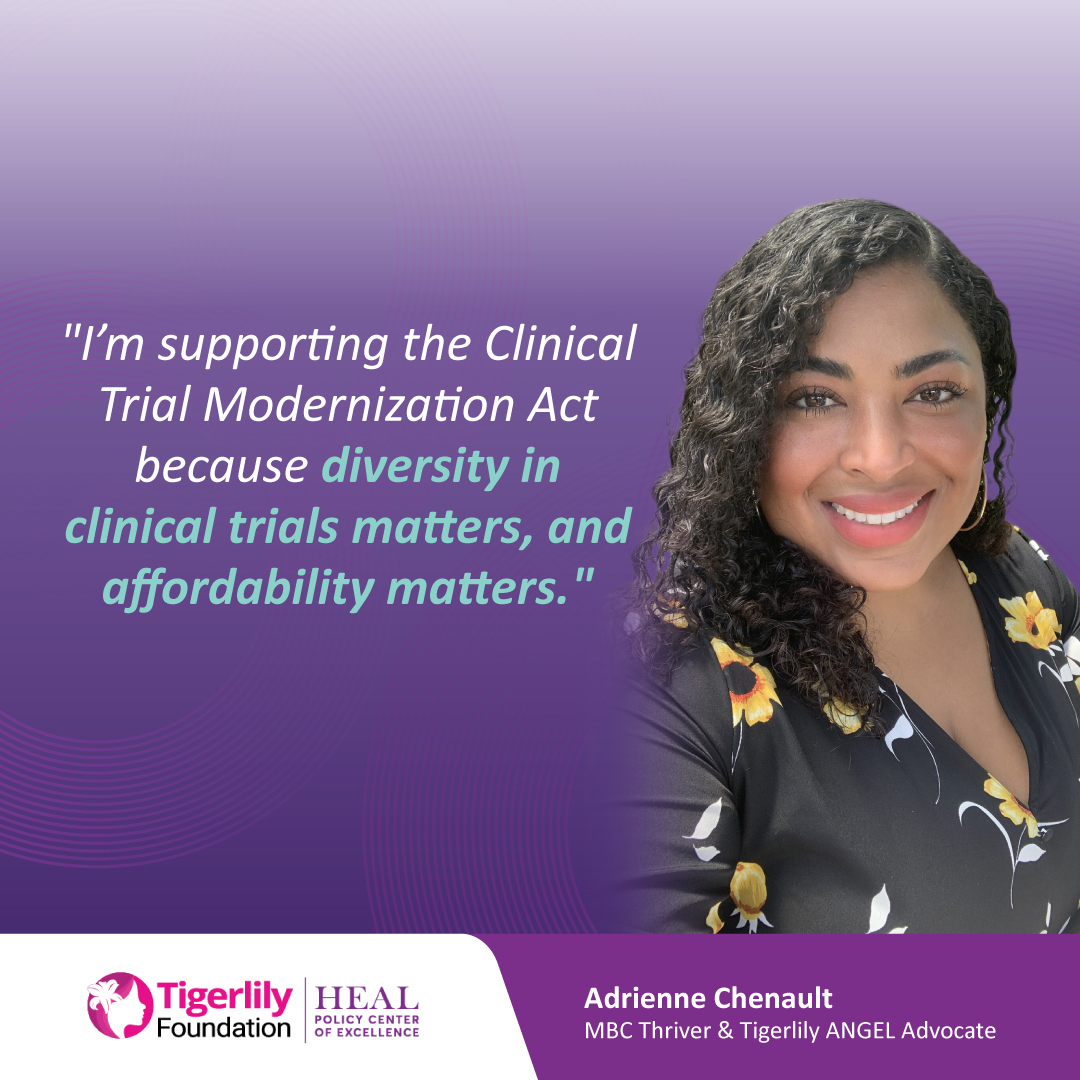
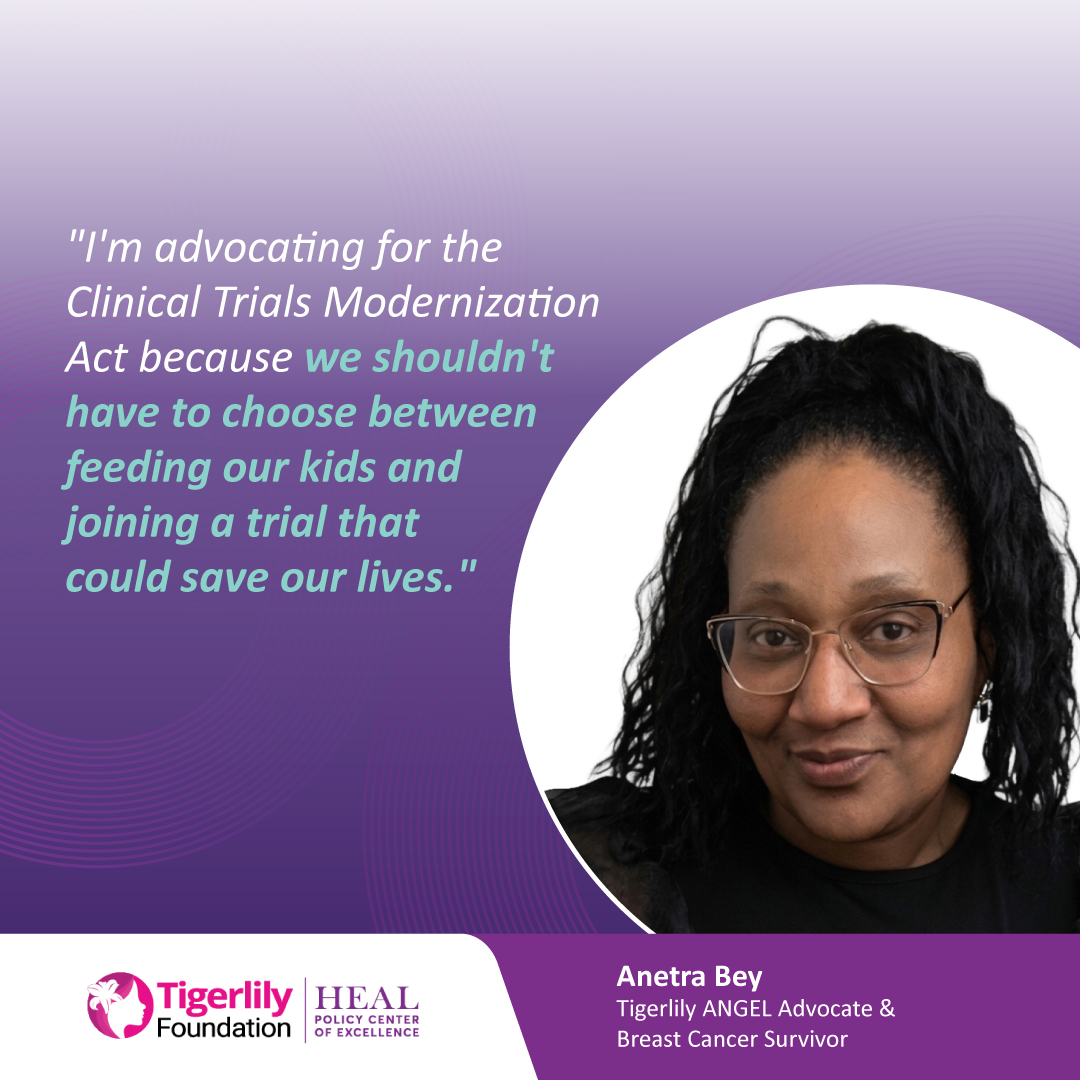
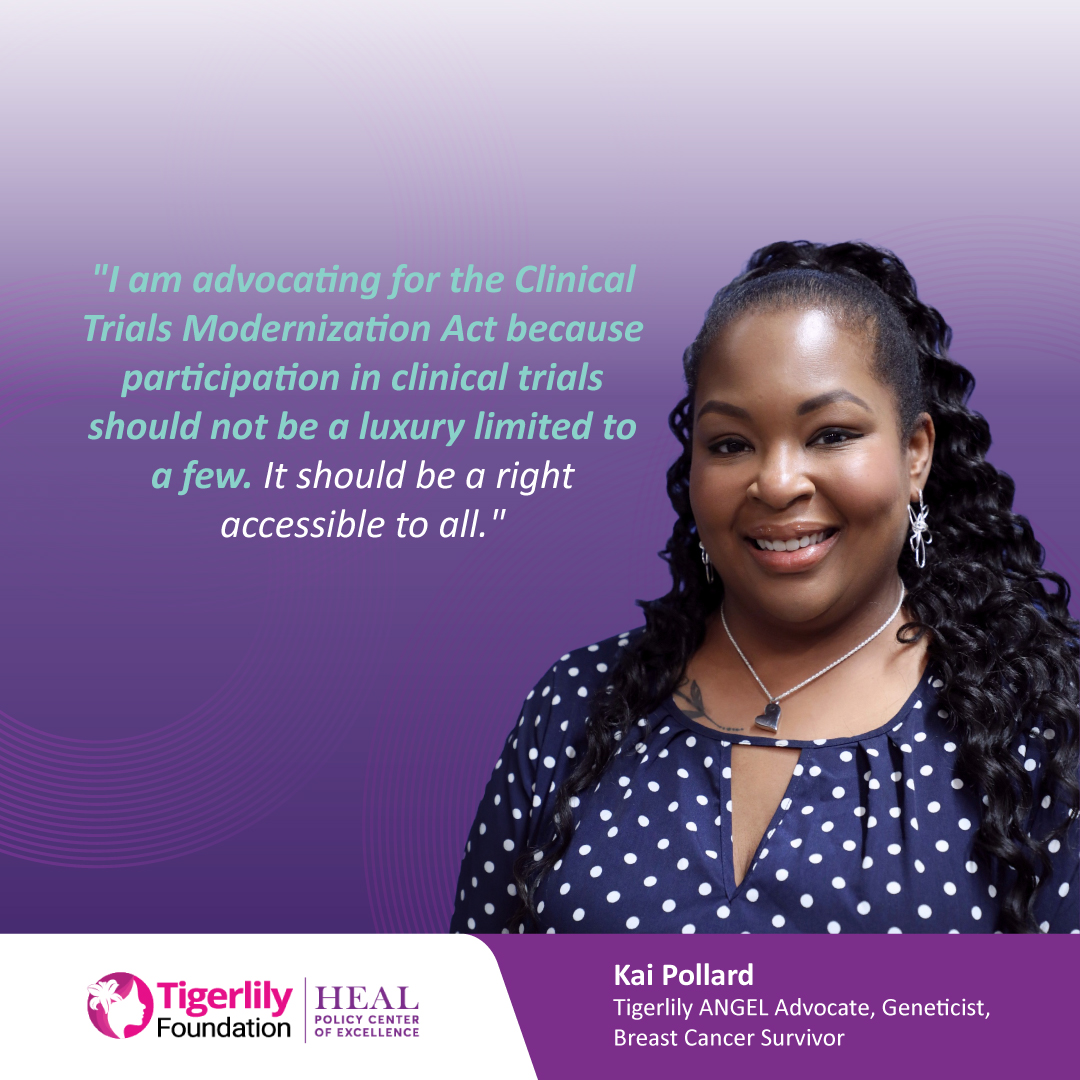
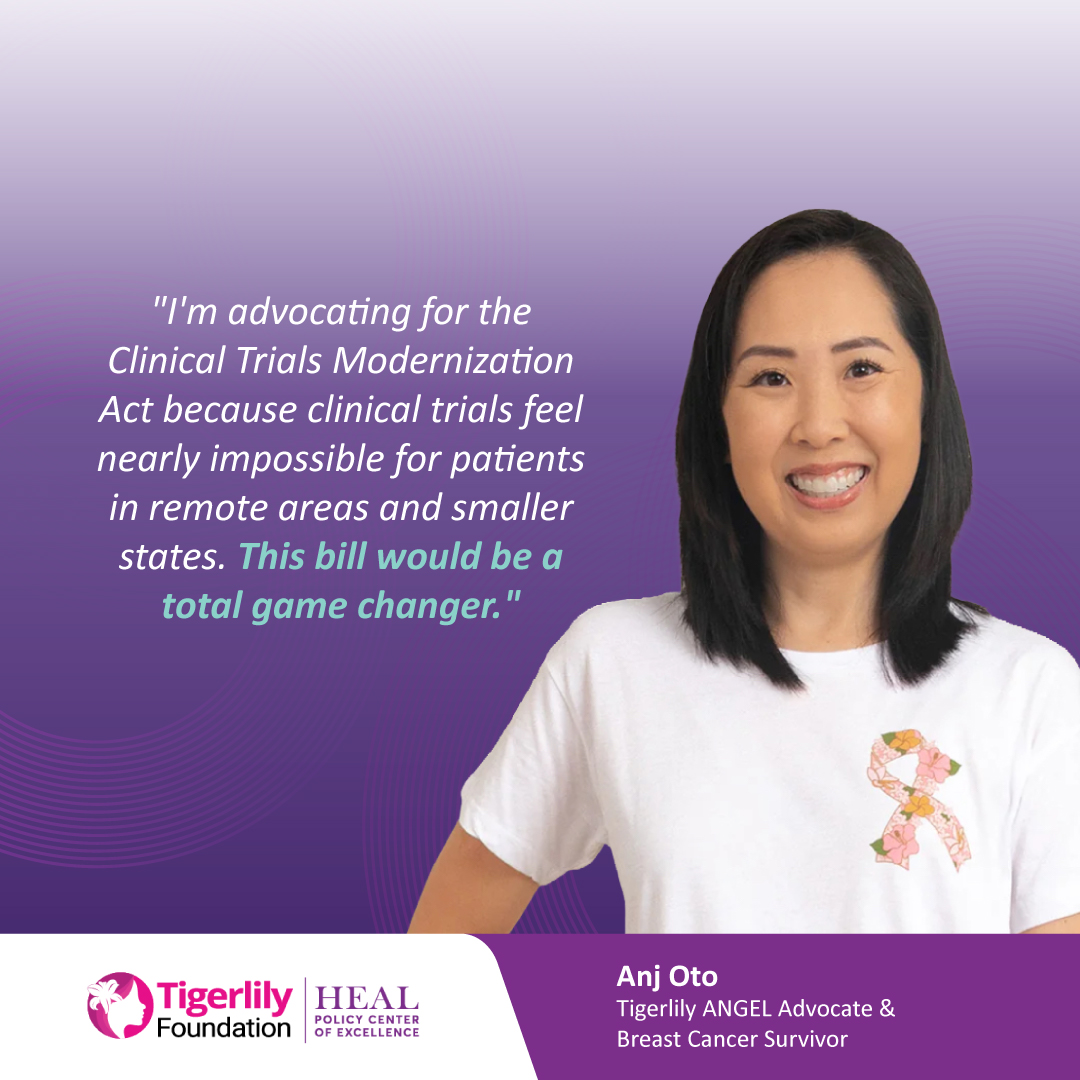
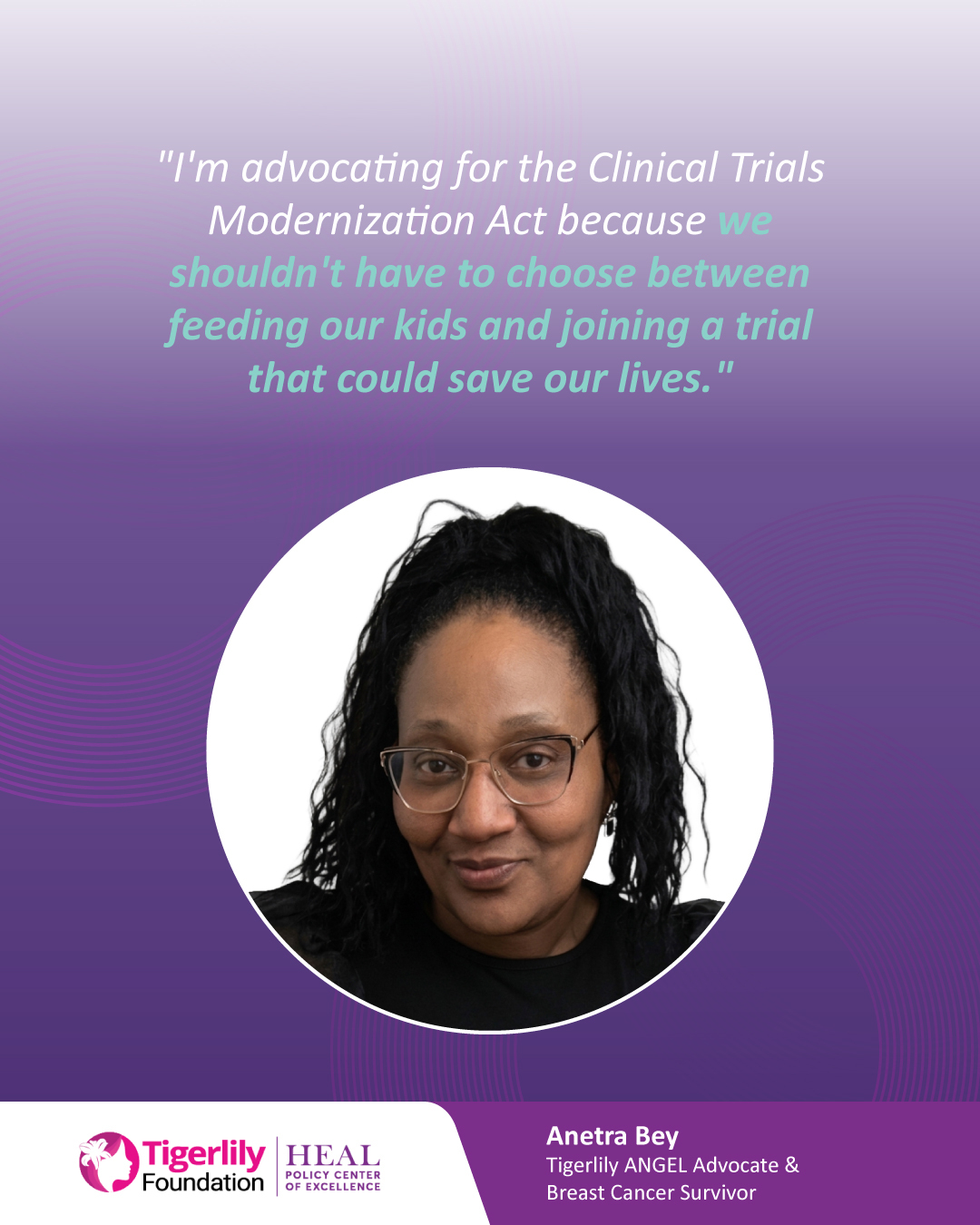
Clinical trials are how we push medical progress forward and find better treatments and cures yet for too long, systemic barriers and current rules have made it difficult for the very patients who stand to benefit most to participate in trials: young women, Black women, women of color, rural residents, and those with less money. When these communities are left out of trials, the science is weaker, and the patients who rely on it suffer.
There is no federal requirement that participation in a clinical trial be affordable or accessible. Many times, patients are asked to pay:
- medical cost-sharing like copays
- non-medical costs like travel, lodging, parking, and meals
These costs can total hundreds or even thousands of dollars. On top of that, if the clinical trial offers to help pay or reimburse for these costs, that may be counted as taxable income (meaning you pay taxes on it), or worse, may disqualify a patient from Medicaid and other safety net programs that have eligibility based on income level. Right now, you can only exclude $600 from taxes for trial help. That is far too low to offset the real costs of participation.
Who Gets Left Behind?
- Cancer patients from households earning under $50,000/year are nearly 30% less likely to enroll in clinical trials compared to higher-income patients.
- Women of color, Black women, and marginalized communities are more often underrepresented in clinical trials even when they bear a disproportionate burden of disease (are diagnosed at higher rates, later stages, have less treatment options, etc.).
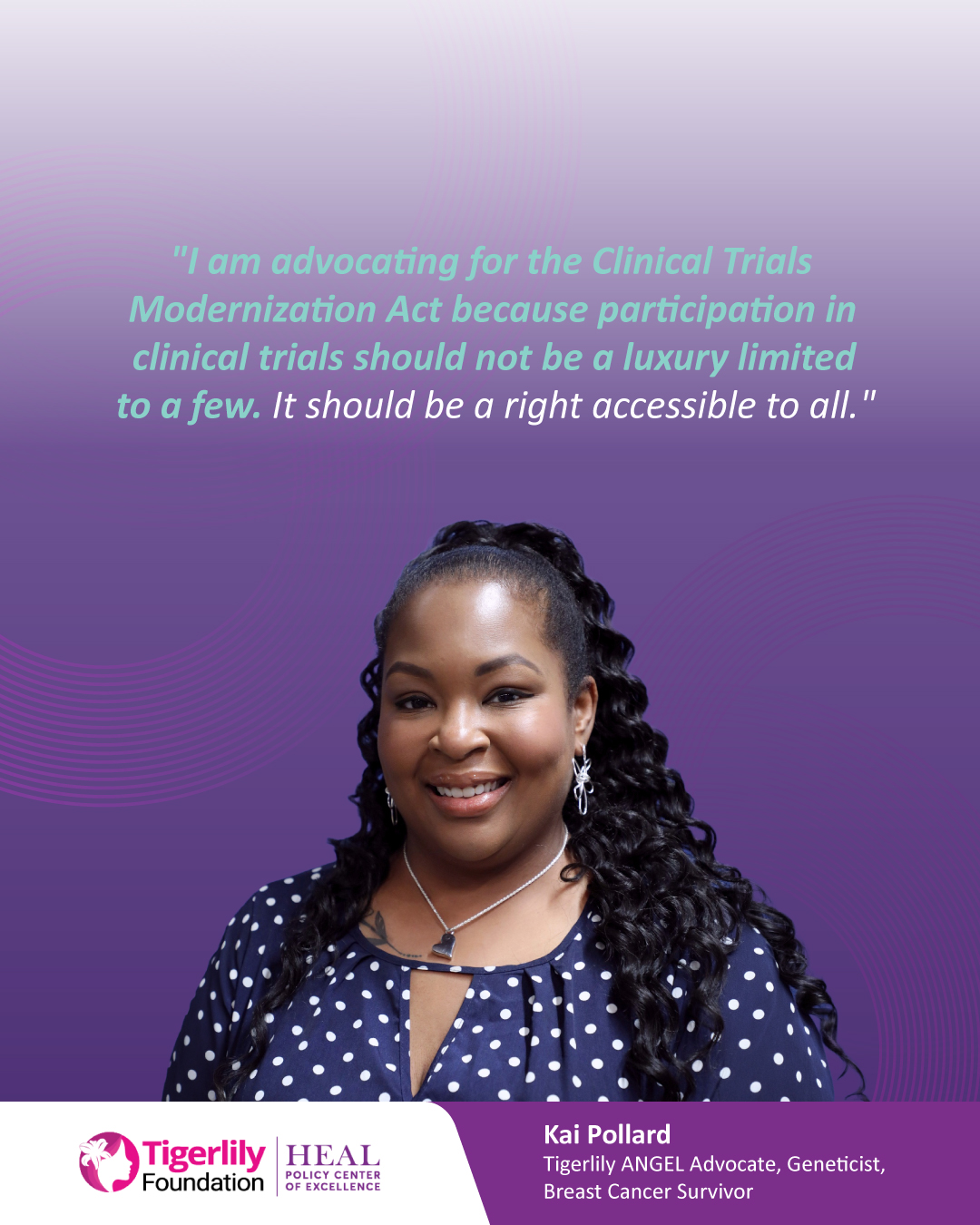
- Rural patients who lack access to local trial sites face the highest travel costs and are among the most likely to decline participation for financial reasons.
- Community cancer centers (where most people get cancer care) have far fewer local trials than big academic hospitals.
- Help with trial costs can count as taxable income—which means patients may lose safety net benefits like Medicaid or owe taxes. This creates a hidden penalty that stops people from joining.
When trials don’t reflect the full diversity of patients, the results don’t tell us how a treatment works for everyone. That leaves dangerous gaps in our knowledge and treatment options.
The Clinical Trial Modernization Act: Closing the Gap
The Clinical Trial Modernization Act is a bill supported by both parties and introduced in both the House and Senate in current Congress. The bill directly targets the financial barriers that prevent diverse patients from joining trials.
More than 130 patient advocacy, cancer, and health equity organizations support this bill, including Tigerlily.
What the Clinical Trial Modernization Act Does
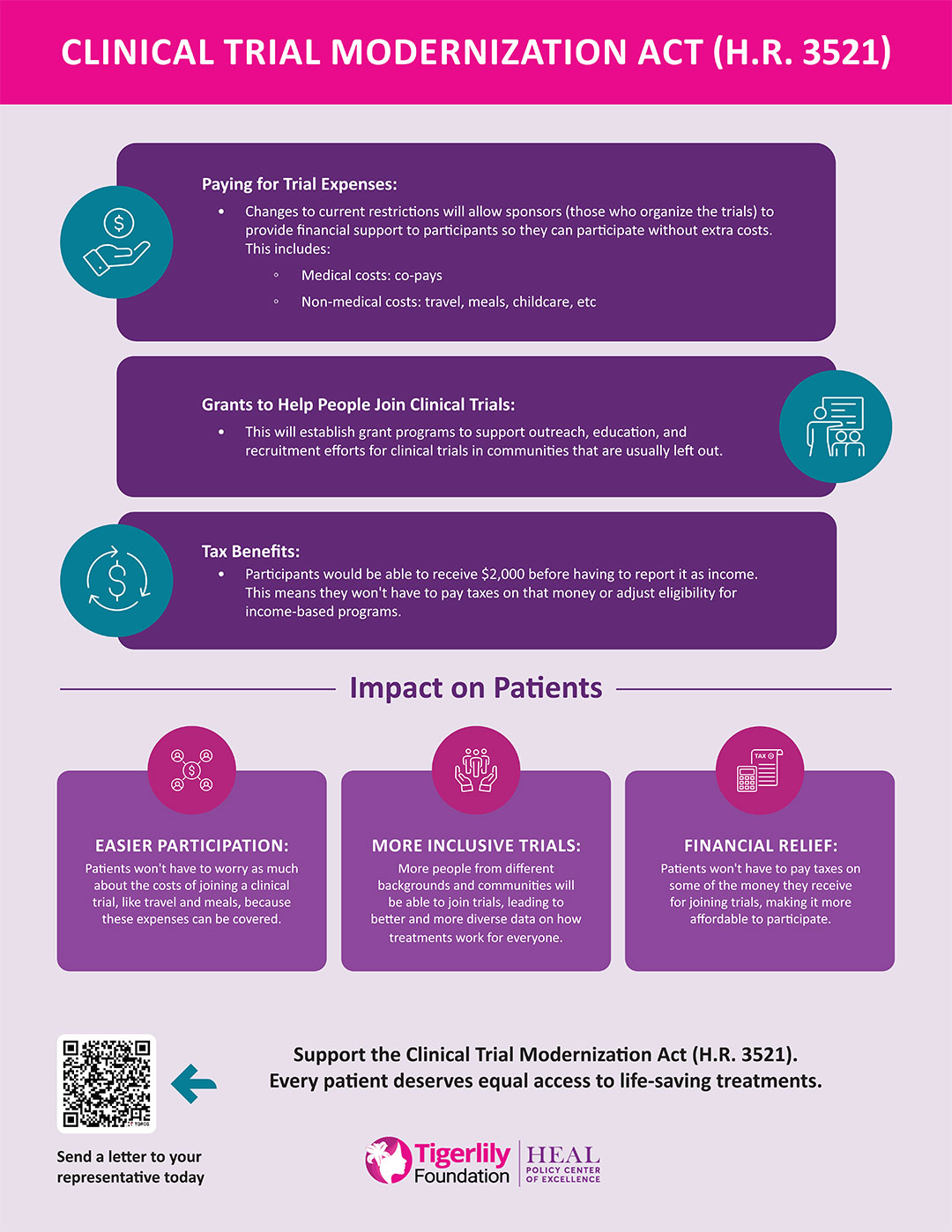
- Pay for Trial Expenses: Remove Financial Barriers (Anti-Kickback Exemption)
Currently there are rules (like the Anti-Kickback Statute) that make it unclear whether clinical trial sponsors can help patients with costs. H.R.3521 makes it clearly legal for sponsors to cover:
-
- Medical costs like copays and deductibles associated with trial participation.
- Non-medical costs like transportation, travel, parking, lodging, and meals.
That means no patient is priced out of participation regardless of where they live or how much money they have.
- Support Remote Technology: Enable Remote Participation
The bill also makes it legal for clinical trial sponsors to provide free or cover the cost of digital health tools like wearable monitors, mobile health apps, and telehealth devices. This helps patients join trials from home or remotely—especially those in rural or underserved areas—without traveling far for every single visit.
- Grants for Community Education and Outreach
The bill authorizes funding to educate and reach out to patients in communities that are often left out. This includes working with local health centers, training local doctors, and partnering with trusted community organizations—because trust is what helps patients say yes to trials.
- Updated Tax Benefits: Protect Participants from Financial Penalties
This bill raises the amount patients can exclude from taxable income for trial participation financial support from the current $600 to $2,000. It also ensures this support does not count against income thresholds for safety net programs like Medicaid eliminating a penalty that currently discourages enrollment among the patients who need financial relief the most.
Why This Bill Matters
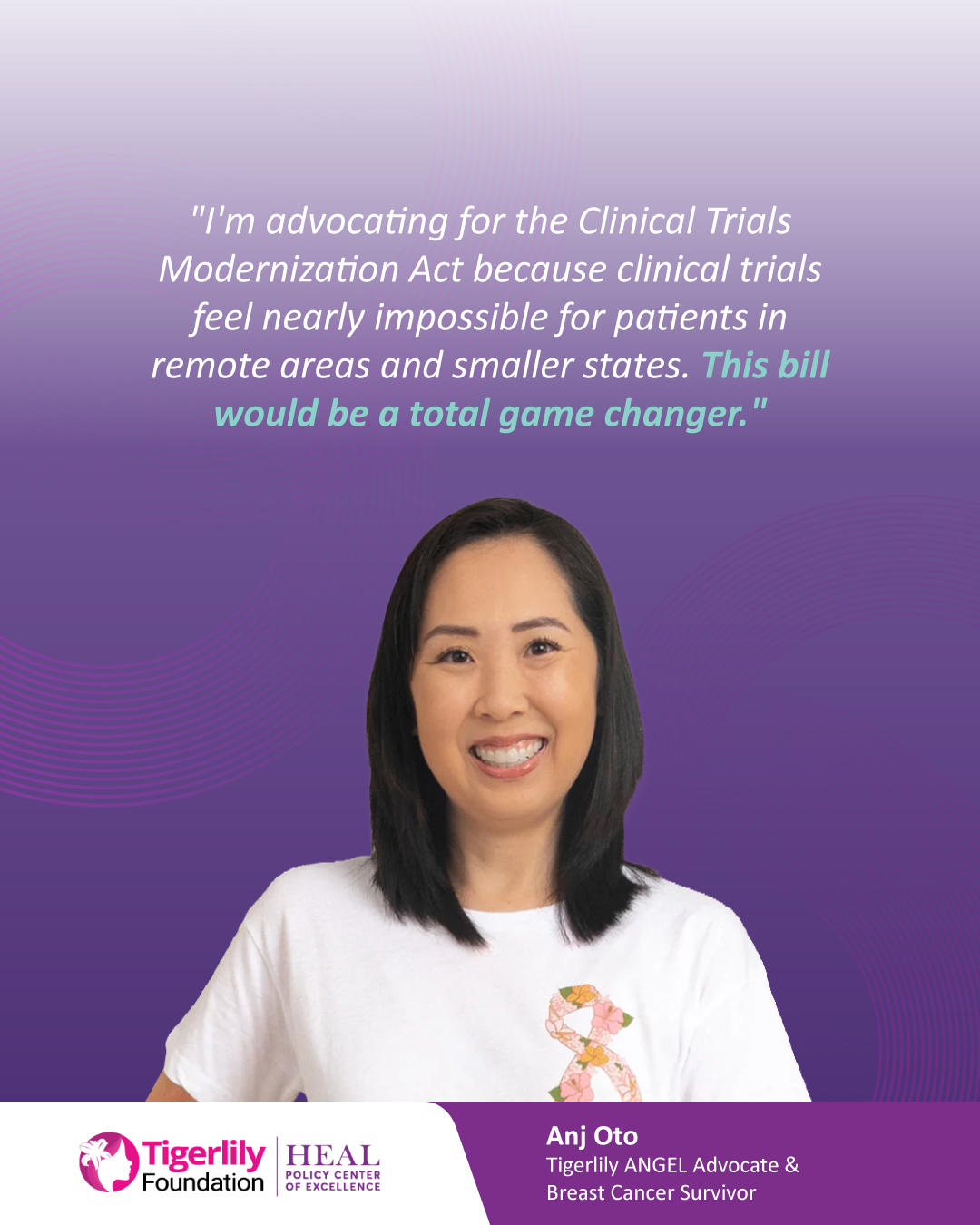
When clinical trials don’t include the full range of patients who will use the treatment, the results are incomplete. Drug interactions, dosing, and side effects can vary significantly across age, sex, genes, and race. Making clinical trials more inclusive isn’t just fair—it’s better science. More inclusive trials lead to better drugs for everyone.
Take Action
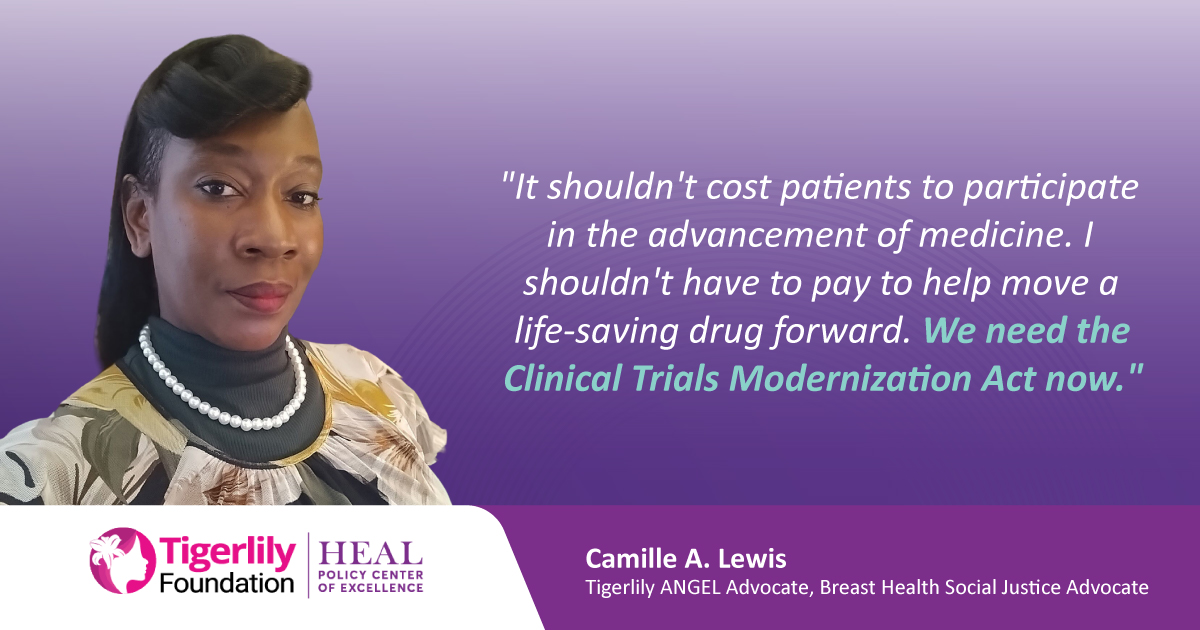
The Clinical Trial Modernization Act needs your support. Whether you are a patient, caregiver, healthcare provider, researcher, or concerned citizen, here is how you can help right now.
Write to Your Legislator
Send a personalized message urging your members of Congress to cosponsor and support H.R.3521/S. 4440. Constituent voices are among the most powerful tools in advocacy. A letter from a patient, physician, or community member carries real weight on Capitol Hill.
Share Your Story
Have you or someone you know said no to or had difficulty participating in a clinical trial because of cost, travel, or other financial barriers? Personal stories move hearts and votes. Share your experience so that advocates and legislators can bring real voices to Capitol Hill.
Spread the Word
Share information about the Clinical Trial Modernization Act with your professional networks, patient communities, and on social media. The more people who speak up, the stronger our push for change.
View the Bill
The full text of H.R.3521 is available at Congress.gov: